
This original, AI-assisted editorial assessment is based on published documentation and buying trade-offs. We have not handled or tested a review unit. Verified refers to the source check, not measured performance. Methodology · Affiliate disclosure
Pros
- Compact footprint for a shelf or bedside table
- AirPlay fits an Apple-centered household
- Can serve compatible Thread accessories
Cons
- Ecosystem requirements matter before setup
- Needs mains power rather than a travel battery
- Stereo requires two speakers of the same model
Start with the household, not the speaker
A smart speaker lives inside a network of phones, services, accounts, and routines. That makes the original HomePod mini a different purchase from a simple portable speaker. Before thinking about sound, check who will use it, which devices they own, and how they expect to start music. A product that suits one person’s phone can still be awkward for the rest of the household.
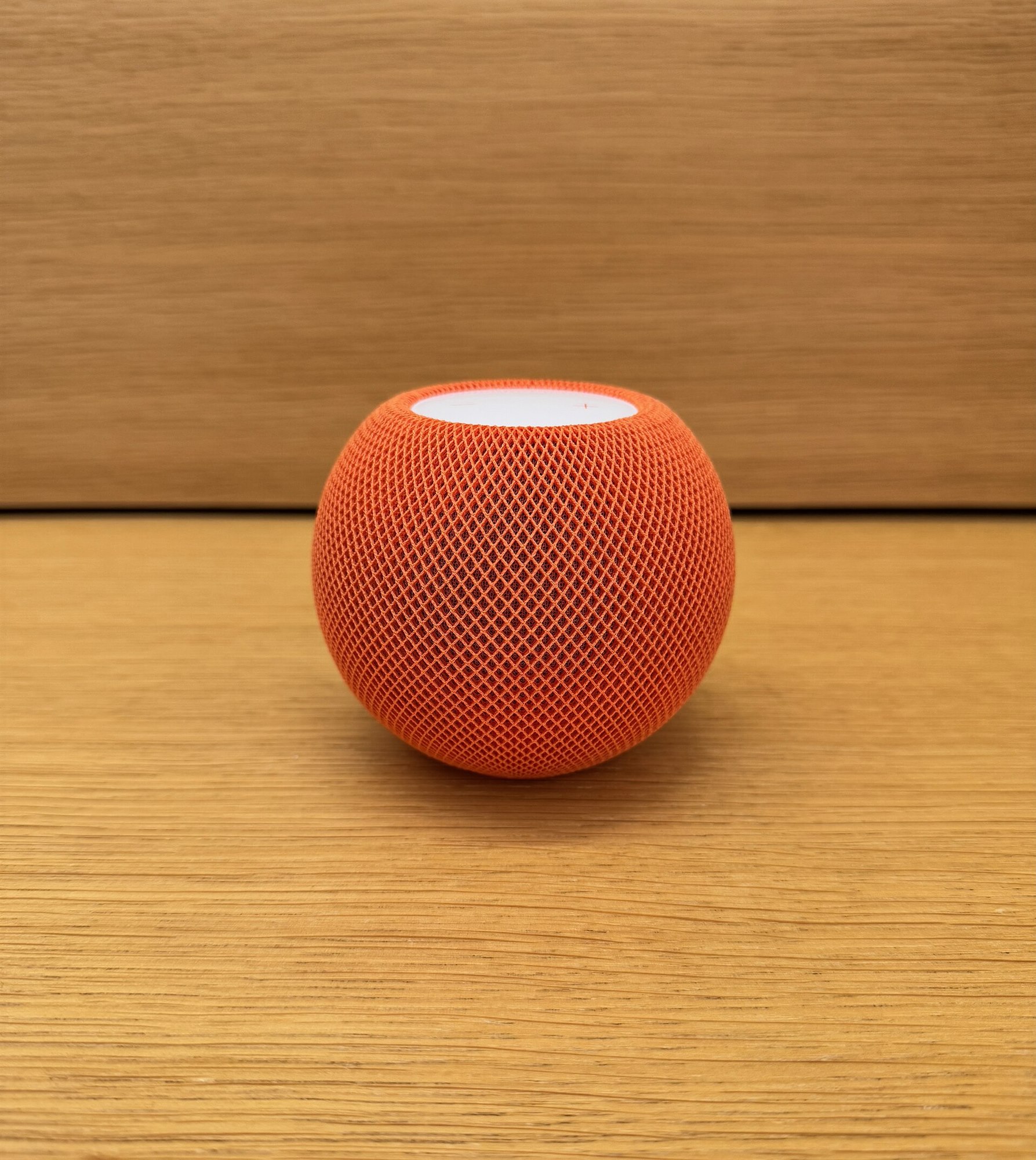
This is a research-based editorial assessment of the original model introduced in 2020. We have not performed listening comparisons, microphone tests, or smart-home reliability measurements. Product photographs show different finishes of that model; they do not document our own testing. Sound preferences and voice-assistant reliability should be checked in your own environment during a return period.
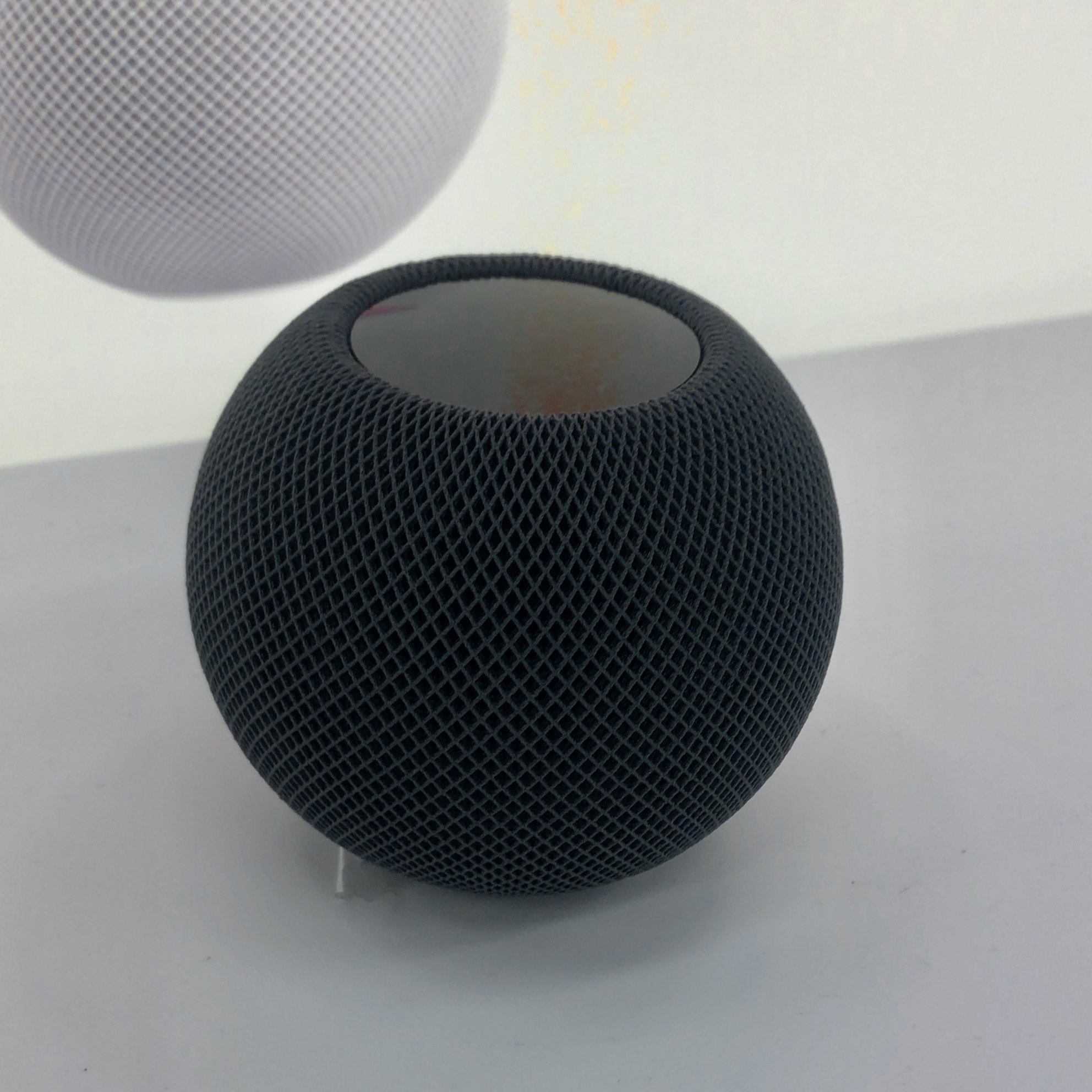
Homepod Mini - 1.jpg — KKPCW · CC BY-SA 4.0. Proportional display; no substantive edits.
Small dimensions make placement easier
At 84.3 mm high, the mini does not demand much shelf space. Its rounded fabric enclosure is visually quieter than many conventional speakers. We would still leave room around it, keep the touch surface accessible, and think about the route to a power outlet. This is a mains-powered home device, so it should not be bought as a portable listening companion.
Apple lists a full-range driver, passive radiators, and a 360-degree sound field. Those specifications describe the design rather than proving how it sounds in your room. Place it where you actually listen and compare at a comfortable level. A bedside listening setup and a lively open-plan kitchen make very different demands.
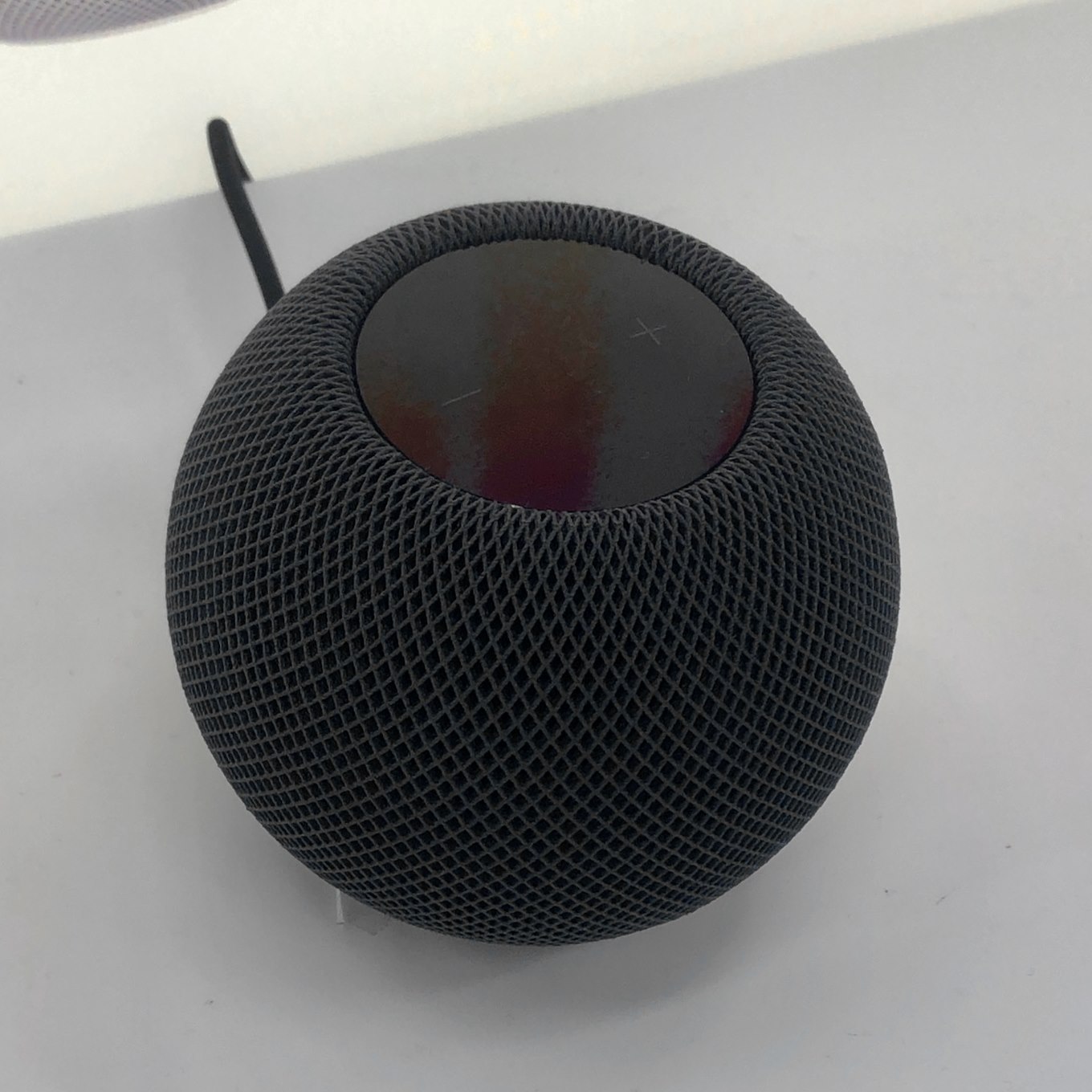
Homepod Mini - 2.jpg — KKPCW · CC BY-SA 4.0. Proportional display; no substantive edits.
The useful features depend on what you already own
AirPlay is an important part of the proposition for people already using compatible Apple devices. Thread networking can also be relevant when building a compatible connected home. Neither detail means that every service or accessory will behave identically. Make a short list of the music services, controls, and automations you want, then verify each one before ordering.
A stereo pair needs two of the same HomePod model. If stereo is the goal, consider the combined cost from the beginning instead of treating the second speaker as an incidental upgrade. Also check the software and account requirements for everyone who will use it. A smart-home purchase is easiest to justify when it removes friction from a routine you already have.
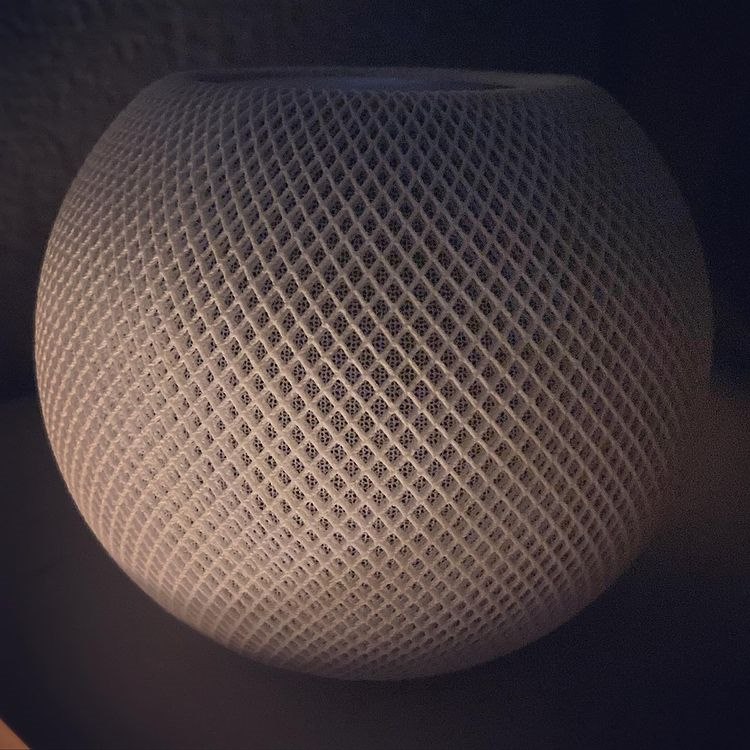
White HomePod mini on a shelf.jpg — Kestral · CC BY-SA 4.0. Proportional display; no substantive edits.
Who should buy
The mini is a candidate for an Apple-centered household that wants a compact home speaker and has specific compatible smart-home tasks in mind. It is a weaker fit for someone seeking a battery-powered speaker or a platform-neutral audio device. If you mostly want music from a single source, compare a conventional speaker before paying for features that may stay unused.
Verdict
The original HomePod mini is best judged as part of a household system. Its compact shape and integration possibilities are appealing, but compatibility should lead the decision. We would buy only after checking the exact services and accessories involved, and after comparing the total cost of any planned stereo setup. The right small speaker should make a room easier to use.
How to read this assessment
This assessment separates a published feature from an outcome we can actually verify. A specification describes an intended capability; it does not establish the quality of your particular unit, the reliability of a home network, or the comfort of a product during a long session. We have not tested a review sample, so the conclusion card deliberately leaves the overall score and its three components unassigned. This is more useful than giving an apparently precise number without measurements.
Before ordering, write down the three tasks that matter most and check each against the exact model being offered. Include the full ownership cost: essential accessories, replacement parts, power, and any recurring services. Compare products in the same condition with equivalent return protection. Save the listing and inspect the delivered item while you can still return it. A good buying decision should remain sensible when the excitement of a discount has worn off.
Our recommendation is conditional on those checks. We do not treat availability in a marketplace as evidence of ongoing manufacturer support, and we do not assume that a seller’s use of the word refurbished guarantees a particular service process. Ask for the terms in writing and compare them with the alternatives before committing.
Sources & corrections
HomePod mini official documentation · consulted November 29, 2026. Specifications belong to the exact generation described. Editorial judgments are ours; no benchmarks or hands-on results are implied.
Found a detail to correct? Contact our editorial desk with the article URL and supporting evidence.